Food is more than something you eat because you are hungry. It is information for the body. Every bite you take sends biochemical instructions that influence energy, mood, metabolism, immunity, and long-term health. Yet despite how essential it is, many people still ask the same foundational question: what is nutrition?
The answer is simpler than most expect—and more important than most realize.
At its core, nutrition is the science of how food nourishes the body. It is the process by which your body takes in, absorbs, and uses nutrients from food to sustain life, repair tissues, produce energy, and regulate countless physiological functions.
Understanding Nutrition Basics is one of the most powerful things you can do for your health. Not because you need to become a dietitian overnight, but because the better you understand what fuels your body, the easier it becomes to make choices that support your wellbeing.
Let’s break it down.
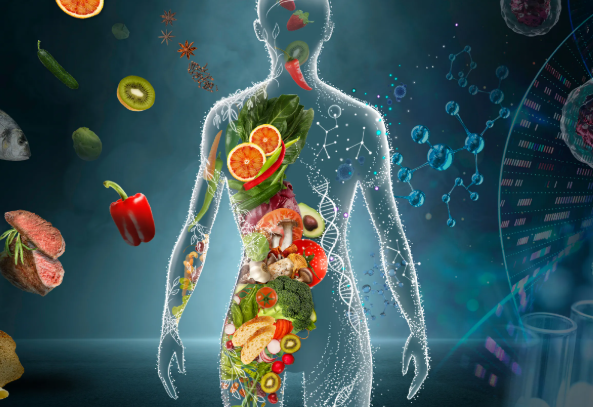
What Is Nutrition?
If someone asks what is nutrition, the simplest definition is this:
Nutrition is the process of providing the body with the nutrients it needs to function properly.
These nutrients come from the foods and beverages you consume. Once ingested, the body metabolizes them into usable components that power everything from your heartbeat to your brain activity.
Without proper nutrition, the body cannot operate efficiently. Energy dips. Immunity weakens. Recovery slows. Cognitive function declines. Over time, poor dietary habits can increase the risk of chronic illness, obesity, diabetes, and cardiovascular disease.
Nutrition is not merely about eating less or more. It is about eating wisely.
Why Nutrition Matters
Your body is a sophisticated biological apparatus. It requires a steady influx of nutrients to perform its daily tasks.
Good nutrition supports:
- Sustained energy levels
- Healthy metabolism
- Strong immune function
- Hormonal balance
- Muscle recovery and growth
- Brain performance and focus
- Digestive health
- Disease prevention
Think of your body like a high-performance vehicle. Premium fuel enhances performance. Poor fuel causes breakdown over time.
That is why understanding Nutrition Basics is not just helpful—it is foundational.
The Six Essential Nutrients
To truly understand what is nutrition, you need to know what the body actually needs.
There are six major nutrient categories the body depends on:
1. Carbohydrates
Carbohydrates are the body’s primary energy source.
They break down into glucose, which fuels the brain, muscles, and nervous system.
Healthy sources include:
- Whole grains
- Fruits
- Vegetables
- Legumes
Despite diet culture vilifying carbs, they are not the enemy. The type and quality of carbohydrate matter far more than their existence.
2. Protein
Protein is essential for building and repairing tissues.
It supports:
- Muscle maintenance
- Hormone production
- Enzyme function
- Immune defense
Sources include:
- Chicken
- Fish
- Eggs
- Beans
- Tofu
- Greek yogurt
3. Fats
Dietary fat often gets misunderstood, but healthy fats are indispensable.
They assist with:
- Brain health
- Hormone production
- Nutrient absorption
- Cell membrane integrity
Good fat sources include:
- Avocados
- Nuts
- Seeds
- Olive oil
- Fatty fish
4. Vitamins
Vitamins regulate numerous bodily functions.
For example:
- Vitamin C supports immunity
- Vitamin D supports bone health
- B vitamins aid energy metabolism
5. Minerals
Minerals help maintain fluid balance, bone strength, nerve function, and muscle contraction.
Examples include:
- Calcium
- Magnesium
- Iron
- Potassium
6. Water
Technically not a nutrient in the caloric sense, but absolutely essential.
Water supports:
- Temperature regulation
- Digestion
- Detoxification
- Joint lubrication
- Nutrient transport
What Makes a Diet Nutritious?
A nutritious diet is not about perfection. It is about balance, consistency, and variety.
Healthy nutrition typically includes:
Whole Foods
Foods in their least processed state tend to retain more nutrients.
Balanced Macronutrients
Meals should contain an equilibrium of protein, carbohydrates, and fats.
Micronutrient Diversity
Eating a variety of colorful foods helps ensure broad vitamin and mineral intake.
Proper Hydration
Water intake is often overlooked but critically important.
Moderation
Even nutritious foods can become problematic in excess.
Understanding Nutrition Basics means recognizing that sustainability matters more than extremes.
Common Nutrition Myths That Confuse Beginners
Nutrition is crowded with misinformation. Let’s clear up a few myths.
Myth 1: Healthy Eating Means Restriction
Healthy nutrition is about nourishment, not deprivation.
Myth 2: Carbs Are Bad
Carbohydrates are vital. Refined excess is the issue—not all carbs.
Myth 3: Fat Makes You Fat
Excess calories contribute to weight gain, not dietary fat alone.
Myth 4: You Need Supplements for Good Nutrition
Most people can meet nutritional needs through food when eating a balanced diet.
How to Improve Your Nutrition Without Overcomplicating It
Learning what is nutrition does not require overhauling your life overnight.
Start with small, practical upgrades:
Add Protein to Every Meal
Helps improve satiety and muscle maintenance.
Eat More Whole Foods
Reduce reliance on ultra-processed convenience foods.
Increase Fruit and Vegetable Intake
Aim for color and variety.
Stay Hydrated
Many people mistake thirst for hunger.
Read Food Labels
Awareness leads to better choices.
Focus on Progress, Not Perfection
Consistency beats intensity every time.
Final Thoughts
So, what is nutrition really?
It is the foundation of health.
It is how the body receives fuel, repairs itself, and performs at its best.
It is not a trend, a fad, or a temporary challenge. It is a lifelong practice.
Understanding Nutrition Basics empowers you to make smarter decisions about what you eat, how you feel, and how you care for your body over time.
You do not need a flawless diet.
You do not need to fear food.
You simply need knowledge, awareness, and a willingness to treat food as the powerful tool it is.
Because when you fuel your body right, everything works better.
Your energy improves. Your focus sharpens. Your health strengthens.
And it all begins with understanding what is on your plate.