When people think about improving their health, they often imagine dramatic overhauls—strict diets, complicated meal plans, or eliminating every food they enjoy. In reality, sustainable wellness rarely comes from extremes. It comes from consistency. More specifically, it comes from building healthy eating habits that fit into real life.
Food is not merely fuel. It is one of the most influential variables in your daily energy, mental clarity, physical performance, mood, digestion, and long-term health. The choices made at breakfast, lunch, dinner, and every snack in between accumulate over time, shaping how your body functions and how you feel.
The good news? You do not need perfection. You need patterns.
By adopting practical Healthy Eating routines, you can create a lifestyle that supports better health without sacrificing enjoyment.
Here are the eating habits that can genuinely transform your life.
Start Your Day with a Balanced Breakfast
Skipping breakfast may seem harmless, especially on busy mornings. But for many people, it leads to energy crashes, poor concentration, and overeating later in the day.
A balanced breakfast helps stabilize blood sugar and sets the tone for smarter food choices.
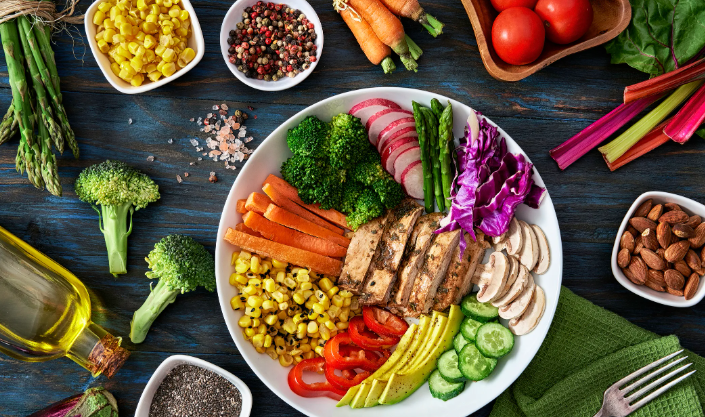
A strong breakfast often includes:
- Protein for satiety
- Fiber for digestion
- Healthy fats for sustained energy
- Complex carbohydrates for fuel
Examples:
- Eggs with whole-grain toast and avocado
- Greek yogurt with berries and nuts
- Oatmeal with chia seeds and banana
The goal is nourishment, not merely convenience.
Prioritize Whole Foods Over Processed Foods
One of the most impactful healthy eating habits is simply eating foods closer to their natural state.
Whole foods are typically richer in nutrients and lower in additives, excess sugar, and refined oils.
Examples include:
- Fruits and vegetables
- Whole grains
- Lean proteins
- Legumes
- Nuts and seeds
This does not mean processed foods must vanish entirely. It means the bulk of your diet should come from foods your body recognizes as actual food.
Simple. Effective. Transformative.
Eat Protein with Every Meal
Protein is often associated solely with athletes, but its importance extends far beyond muscle building.
Protein supports:
- Muscle repair
- Hormone production
- Immune function
- Satiety
- Blood sugar balance
Including protein in meals can reduce cravings and help maintain stable energy.
Smart protein sources include:
- Chicken
- Fish
- Eggs
- Greek yogurt
- Lentils
- Tofu
- Cottage cheese
It is one of the cornerstones of Healthy Eating.
Slow Down While Eating
Modern eating habits often resemble a speed competition.
People eat while driving.
While scrolling.
While working.
While distracted.
Fast eating makes it difficult for the brain to register fullness, often leading to overeating.
Slowing down allows:
- Better digestion
- Greater satisfaction
- Improved portion awareness
- Reduced bloating
Try chewing more thoroughly. Put utensils down between bites. Pay attention to taste and texture.
Mindful eating is deceptively powerful.
Drink More Water
Hydration is frequently neglected in conversations about nutrition, yet it profoundly affects appetite, energy, and metabolism.
Dehydration can masquerade as:
- Hunger
- Fatigue
- Brain fog
- Headaches
One of the simplest healthy eating habits is drinking water consistently throughout the day.
Tips to improve hydration:
- Carry a reusable water bottle
- Drink water before meals
- Add lemon or fruit for flavor
- Set reminders if needed
Sometimes the body is not asking for food. It is asking for water.
Stop Demonizing Entire Food Groups
Many people fall into the trap of believing Healthy Eating requires cutting out carbs, fats, or favorite foods entirely.
It does not.
Extreme restriction often backfires, leading to cravings, binge eating, and unsustainable habits.
Instead of labeling foods as good or bad:
- Focus on frequency, not absolutes
- Practice moderation
- Build meals around nutrient density
- Leave room for enjoyment
Healthy eating should feel balanced, not punitive.
Plan Meals Ahead of Time
When hunger strikes unexpectedly, convenience often wins over nutrition.
Meal planning reduces impulsive decisions and makes healthy choices easier.
Benefits include:
- Better portion control
- Reduced reliance on takeout
- Lower food waste
- Less decision fatigue
You do not need elaborate meal prep containers for seven days.
Even basic planning helps:
- Outline meals for the week
- Keep healthy snacks available
- Prepare ingredients in advance
Preparation creates consistency.
Increase Fiber Intake
Fiber is an unsung hero of nutrition.
It supports:
- Digestive health
- Blood sugar control
- Cholesterol management
- Satiety
- Gut microbiome balance
Many people consume far less fiber than recommended.
Fiber-rich foods include:
- Vegetables
- Fruits
- Whole grains
- Beans
- Lentils
- Chia seeds
A fiber-rich diet is a hallmark of healthy eating habits.
Practice Portion Awareness
Even nutritious foods can become problematic in excessive amounts.
Portion awareness is not about obsessive measuring. It is about understanding what your body actually needs.
Helpful strategies:
- Use smaller plates
- Serve food before sitting down
- Avoid eating directly from packages
- Pause before second servings
The objective is intentional eating, not restriction.
Be Consistent, Not Perfect
Perfectionism sabotages more health goals than lack of motivation ever will.
One indulgent meal does not ruin progress.
One healthy meal does not create it.
Long-term transformation comes from repeated choices, not isolated moments.
Sustainable Healthy Eating looks like:
- Making better choices most of the time
- Enjoying treats without guilt
- Returning to healthy routines after setbacks
- Focusing on progress over perfection
Consistency compounds.
Conclution
The most powerful healthy eating habits are not flashy. They are not trendy. They do not require expensive supplements or impossible restrictions.
They are simple, practical behaviors repeated consistently:
Choosing whole foods.
Eating mindfully.
Prioritizing hydration.
Balancing meals.
Planning ahead.
Giving yourself grace.
Real Healthy Eating is not about chasing dietary perfection. It is about building habits that support your body, energize your mind, and fit into your actual life.
Small choices made daily create extraordinary outcomes over time.
Because transformation rarely happens through one dramatic decision.
It happens through hundreds of ordinary ones—made a little better each day.