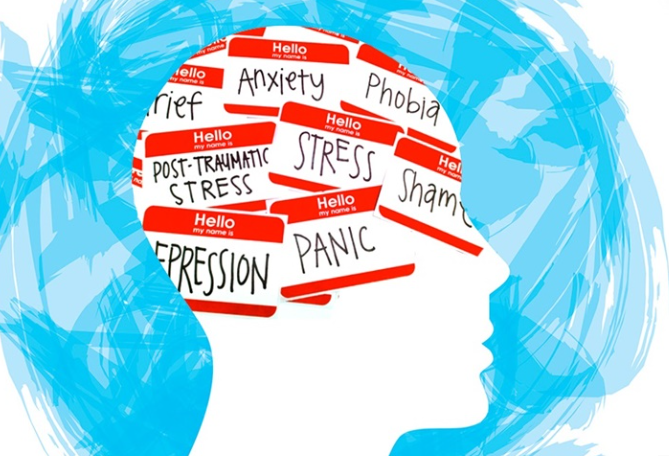
Learning how to manage stress before it escalates is one of the most valuable life skills a person can develop. Not because stress can be eliminated entirely—it cannot—but because it can be handled with intention, awareness, and practical habits.
Stress has become such a familiar companion in modern life that many people wear it like a badge of honor. Busy schedules, endless notifications, academic pressure, workplace demands, financial worries—constant tension can start to feel normal. But normal does not mean harmless.
Left unchecked, chronic Stress can quietly infiltrate every part of your wellbeing. It disrupts sleep, clouds judgment, weakens immunity, elevates blood pressure, and can contribute to long-term health issues. More subtly, it chips away at joy. It makes small problems feel colossal and ordinary days feel exhausting.
Here is how to manage it effectively before it starts managing you.

Understand What Stress Actually Is
Stress is the body’s natural response to challenge or perceived threat. When the brain senses danger—whether physical or emotional—it activates the fight-or-flight response.
Heart rate rises.
Breathing quickens.
Muscles tense.
Stress hormones flood the bloodstream.
This response is useful in short bursts. It helps you react quickly and stay alert.
The problem begins when stress never turns off.
Persistent deadlines, unresolved conflicts, financial strain, and emotional overload can keep the nervous system in a perpetual state of hypervigilance. Over time, this chronic activation can contribute to burnout, fatigue, and even Anxiety disorders.
Recognize the Early Warning Signs
Stress rarely arrives with dramatic fanfare. It usually creeps in quietly.
Common early signs include:
- Irritability over small inconveniences
- Trouble concentrating
- Headaches or muscle tension
- Sleep disturbances
- Digestive discomfort
- Feeling constantly rushed
- Emotional exhaustion
- Increased procrastination
Spotting these signals early allows you to intervene before stress compounds into something more severe.
Identify Your Stress Triggers
You cannot manage what you do not understand.
Take note of what consistently spikes your stress levels. For some, it is workload. For others, it may be conflict, overstimulation, lack of control, or unrealistic expectations.
Ask yourself:
- What situations leave me drained?
- Which people amplify tension in my life?
- What habits make my stress worse?
- Are there recurring patterns behind my overwhelm?
Awareness creates leverage. Once you identify triggers, you can begin designing strategies around them.
Build Small Daily Recovery Rituals
One of the most overlooked aspects of learning how to manage stress is understanding that stress management is not a once-a-week activity. It is a daily practice.
Recovery should happen in micro-doses throughout the day.
Effective rituals include:
Short Walks
Even a 10-minute walk can reduce cortisol and clear mental fog.
Deep Breathing
Slow, intentional breathing signals safety to the nervous system.
Stretching
Stress often lodges itself physically in the neck, shoulders, and back.
Brief Digital Breaks
Stepping away from screens helps reduce cognitive overload.
These moments may seem minor. They are not. Small interventions accumulate.
Improve Sleep Hygiene
Sleep and stress exist in a reciprocal relationship. Stress disrupts sleep, and poor sleep intensifies stress.
To protect both:
- Maintain a consistent sleep schedule
- Avoid screens before bed
- Limit caffeine late in the day
- Keep the bedroom cool and dark
- Create a calming nighttime routine
Rest is not indulgent. It is neurological maintenance.
Move Your Body Regularly
Physical activity is one of the most potent antidotes to chronic stress.
Exercise helps by:
- Lowering stress hormones
- Releasing endorphins
- Improving sleep quality
- Enhancing emotional regulation
- Reducing symptoms of Anxiety
This does not require intense gym sessions. Walking, cycling, dancing, yoga, and stretching all count.
The goal is movement, not perfection.
Learn to Set Boundaries
A significant amount of stress stems not from external demands—but from overcommitment.
Saying yes to everything often means saying no to your own peace.
Healthy boundaries might include:
- Declining unnecessary obligations
- Protecting personal downtime
- Limiting exposure to draining people
- Setting work-life boundaries
- Communicating needs clearly
Boundaries are not selfish. They are preventative care.
Reframe Your Inner Dialogue
Sometimes the most relentless source of stress is internal.
Perfectionism, catastrophizing, harsh self-criticism, and impossible standards create immense mental pressure.
Notice thoughts like:
- If I fail this, everything is ruined
- I should be doing more
- Everyone else handles life better than me
- I cannot afford to make mistakes
Challenge these narratives.
Replace them with balanced alternatives:
- One setback does not define me
- Progress matters more than perfection
- Rest is productive when recovery is needed
Thought patterns can either inflame stress or soothe it.
Reduce Stimulants and Overload
When overwhelmed, many people unconsciously worsen stress through habits that overstimulate the nervous system.
Examples include:
- Excessive caffeine
- Doomscrolling social media
- Constant multitasking
- Skipping meals
- Overworking without breaks
The modern world often rewards overstimulation. Your nervous system does not.
Simplifying your environment can dramatically reduce mental clutter.
Seek Support Before You Reach Burnout
Stress becomes dangerous when people normalize suffering for too long.
If your stress feels constant, overwhelming, or begins interfering with daily life, relationships, or health, seek support.
Talking to a:
- Therapist
- Counselor
- Mentor
- Trusted friend
- Medical professional
can provide perspective and practical coping tools.
You do not need to wait until things fall apart to ask for help.
Final Thoughts How to Manage Stress
Learning how to manage stress is not about becoming immune to pressure. It is about building resilience, awareness, and sustainable coping mechanisms before stress evolves into chronic illness, emotional exhaustion, or debilitating Anxiety.
Stress will always be part of life. That is inevitable.
But suffering under it indefinitely is not.
When managed wisely, stress becomes a signal rather than a sentence—a cue that something needs attention, adjustment, or care.
Listen to that signal early.
Protect your peace deliberately.
Treat your mental and physical health as assets worth safeguarding.
Because managing stress is not just about feeling better today.
It is about preserving your health for the future.