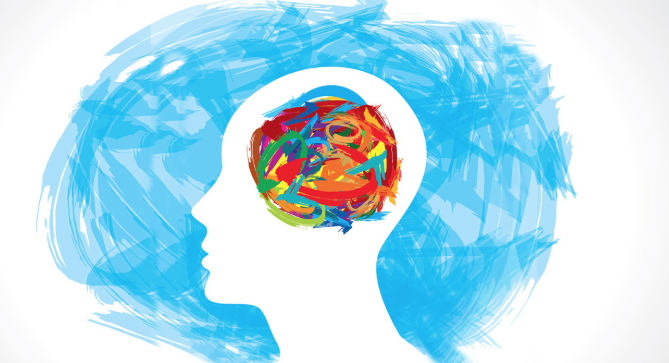
When people hear the phrase what is mental health, many immediately think about mental illness, therapy, or emotional struggles. But mental health is far broader than that. It is not merely the absence of disorders or distress. Mental health is the invisible framework behind how people think, feel, process experiences, and navigate everyday life.
Just as physical health affects how the body functions, mental health shapes how the mind performs. It influences decision-making, emotional regulation, relationships, resilience, and even physical wellbeing. Understanding this concept is one of the most important steps toward living a balanced and fulfilling life.
In this guide, we will explore the fundamentals of Mental Health Basics and why understanding your mind matters more than ever in today’s fast-moving world.
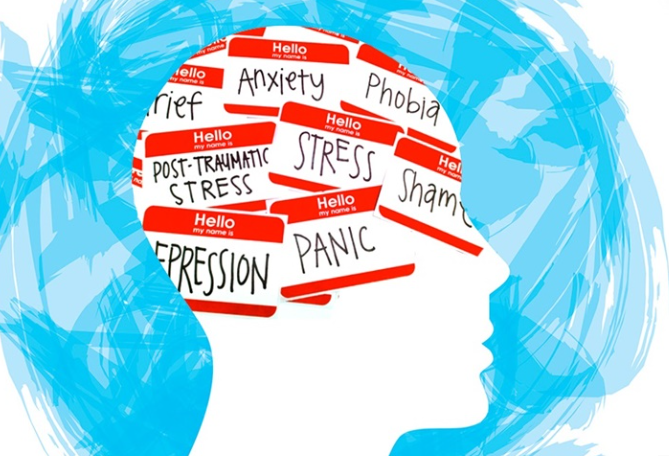
What Is Mental Health ?
At its core, mental health refers to emotional, psychological, and social wellbeing. It impacts how individuals:
- Handle stress
- Relate to others
- Make choices
- Cope with adversity
- Build self-esteem
- Maintain relationships
Mental health exists on a spectrum. It is not a simple binary of healthy versus unhealthy. A person can feel mentally strong in one season of life and struggle in another. Just like physical health fluctuates, mental wellness can shift depending on life circumstances, habits, environment, and support systems.
Understanding what is mental health means recognizing that everyone has mental health—whether they are thriving, struggling, or somewhere in between.
Why Mental Health Matters
Mental health quietly influences nearly every aspect of life.
It affects productivity at work.
It impacts academic performance.
It shapes friendships and romantic relationships.
It determines how well someone handles setbacks and uncertainty.
Poor mental health can create a domino effect. Chronic stress may lead to sleep issues. Sleep deprivation can worsen mood. Low mood can reduce motivation. Reduced motivation can affect performance, relationships, and physical health.
On the other hand, strong mental health can improve:
- Focus and concentration
- Emotional resilience
- Problem-solving ability
- Communication skills
- Confidence and self-worth
- Overall life satisfaction
Simply put, mental health is foundational.
Common Factors That Affect Mental Health
Mental health is influenced by a tapestry of interconnected factors. Rarely is it caused by one single thing.
Biological Factors
These include genetics, brain chemistry, hormonal changes, and family history of mental health conditions.
Life Experiences
Trauma, abuse, grief, financial hardship, bullying, or major life transitions can significantly affect mental wellbeing.
Lifestyle Habits
Sleep, nutrition, exercise, screen time, and substance use all play a role in mental functioning.
Social Environment
Supportive relationships can strengthen mental health, while toxic environments can erode it.
Understanding these influences is a key part of Mental Health Basics because it helps explain why mental health is complex and deeply personal.
Signs of Good Mental Health
Good mental health does not mean feeling happy all the time. That is unrealistic.
Instead, mentally healthy individuals often demonstrate the ability to:
- Manage emotions effectively
- Recover from setbacks
- Maintain healthy relationships
- Adapt to change
- Set boundaries
- Function in daily responsibilities
- Experience a range of emotions without being overwhelmed
Mental wellness is less about perpetual positivity and more about emotional flexibility.
Signs Your Mental Health May Need Attention
Sometimes the mind sends subtle distress signals before problems become more serious.
Watch for signs such as:
- Persistent sadness or irritability
- Excessive worry or fear
- Difficulty concentrating
- Changes in appetite or sleep
- Social withdrawal
- Loss of motivation
- Feeling emotionally numb
- Trouble managing daily tasks
Experiencing these signs occasionally is normal. But when they persist or interfere with daily life, it may indicate that mental health support is needed.
The Difference Between Mental Health and Mental Illness
Many people confuse mental health with mental illness, but they are not the same thing.
Mental health refers to everyone’s overall psychological wellbeing.
Mental illness refers to diagnosable conditions that affect thinking, mood, or behavior.
A person can have poor mental health without a mental illness diagnosis.
Likewise, someone with a diagnosed condition can still maintain good mental health through treatment and support.
This distinction is central to understanding what is mental health accurately.
How to Improve Mental Health
Mental health is not fixed. It can be nurtured, strengthened, and improved over time.
Prioritize Sleep
The brain requires restorative sleep to regulate mood, memory, and cognition.
Move Your Body
Exercise releases endorphins and reduces stress hormones.
Practice Emotional Awareness
Naming emotions helps regulate them more effectively.
Limit Overstimulation
Excessive social media, constant notifications, and information overload can exhaust the nervous system.
Build Meaningful Relationships
Connection is one of the strongest protective factors for mental wellbeing.
Seek Professional Support
Therapists, counselors, and mental health professionals provide tools and guidance when challenges become difficult to manage alone.
Breaking the Stigma Around Mental Health
Despite growing awareness, stigma still prevents many people from discussing mental health openly.
Some fear being judged.
Others believe struggling means weakness.
Many were simply never taught to talk about emotions.
But mental health challenges are part of being human. Struggling mentally does not indicate failure any more than getting sick indicates weakness.
Open conversations normalize support-seeking behavior and help create healthier communities.
Final Thoughts What Is Mental Health ?
Understanding what is mental health is about more than memorizing a definition. It is about recognizing that the mind requires care just as much as the body does.
Mental health influences how people think, connect, recover, and grow. It affects quiet moments and major decisions alike. It is present in every triumph, every hardship, every relationship, and every routine.
Mastering Mental Health Basics begins with awareness. Awareness of your emotions. Awareness of your habits. Awareness of the fact that mental wellbeing is not a luxury—it is a necessity.
Your mind is the lens through which you experience life.
Taking care of it changes everything.